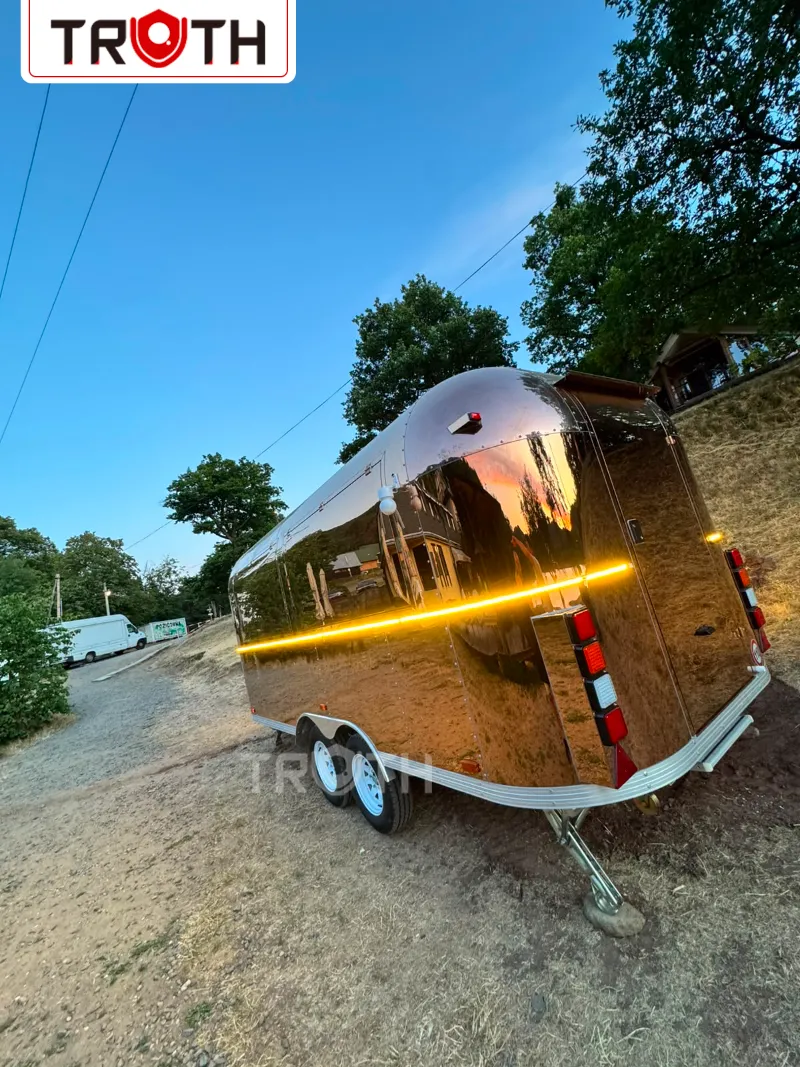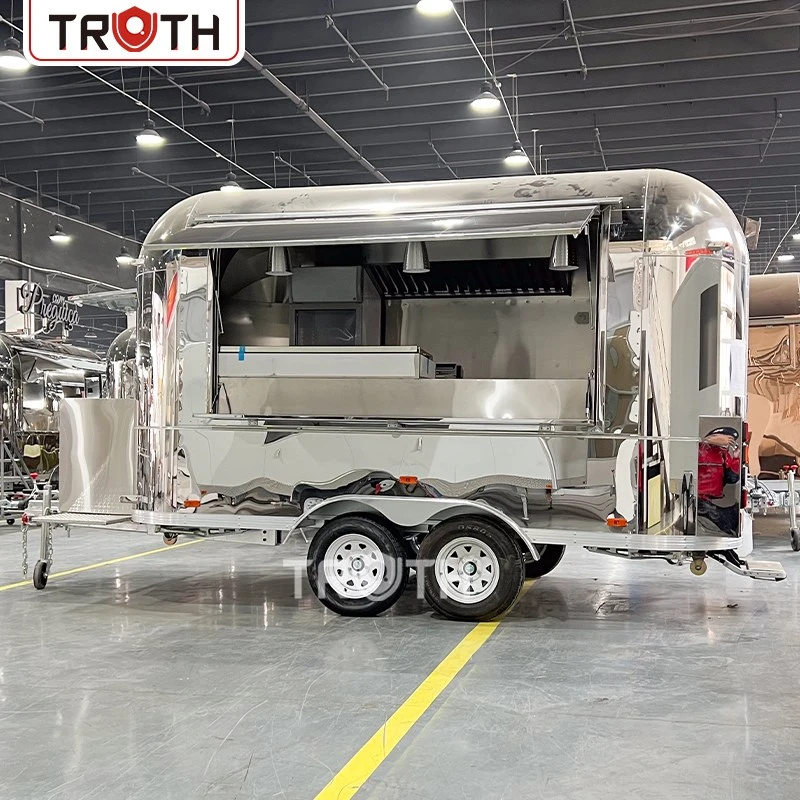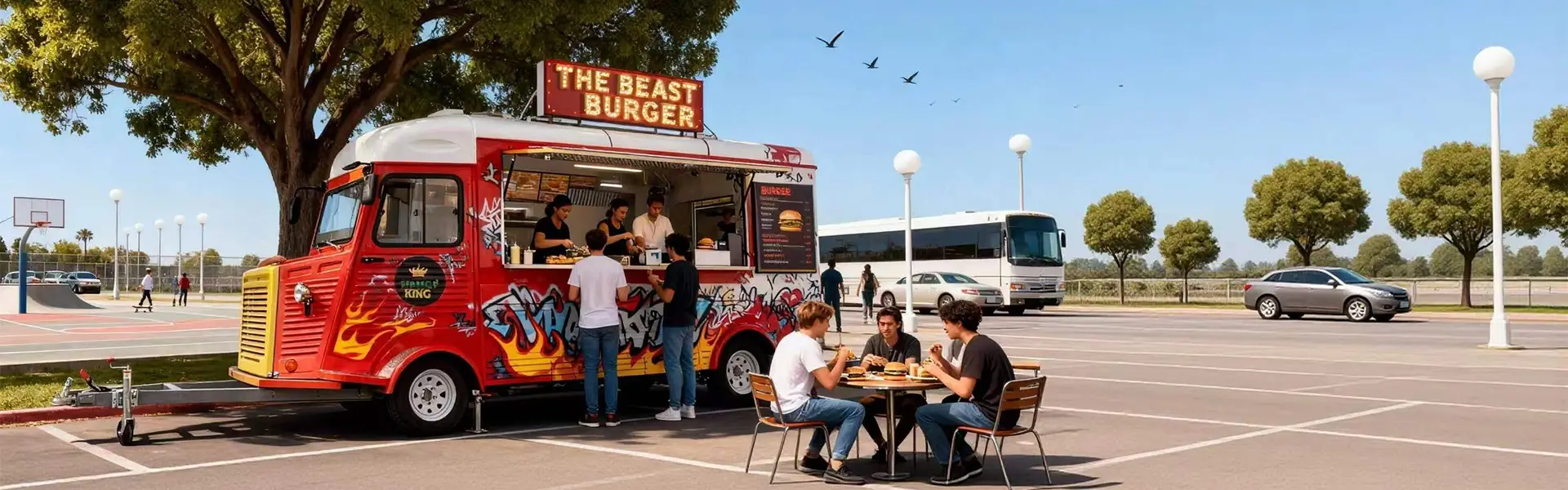
Starting a food truck business is an exciting opportunity to be your own boss, share your food with the world, and connect with customers in dynamic locations.
But like any successful business, it takes more than passion—you’ll need a solid plan, dedication, and the right strategy to make it work.
Turn Your Idea Into a Business
Whether you’re a professional chef or simply passionate about food, the food truck industry offers a flexible and profitable way to enter the market.
With the right concept and setup, you can build a brand, grow your customer base, and create a business that moves with you.
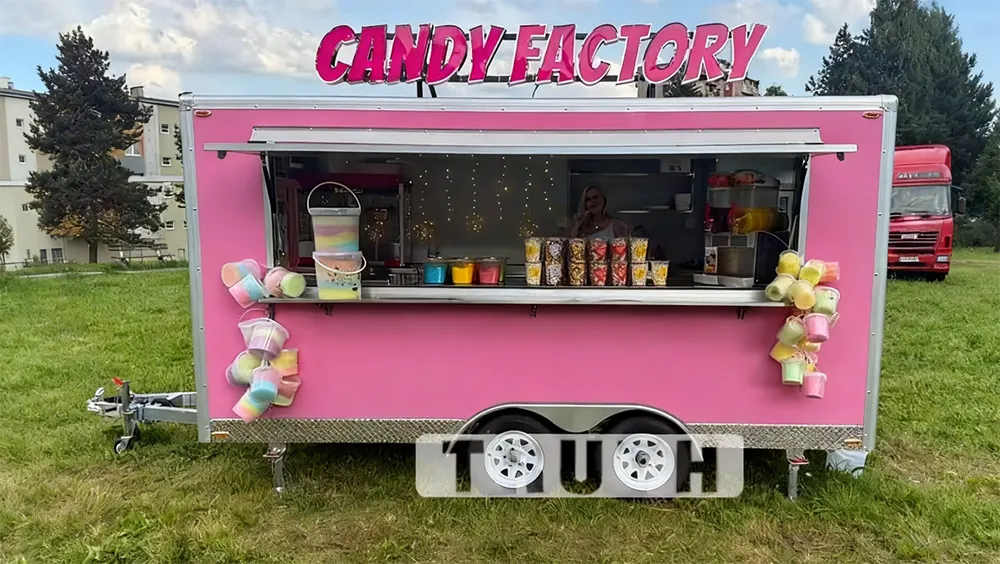
Your food truck concept is the starting point of everything. It defines what you sell, who you serve, and how your brand stands out.
Start by choosing the type of food you want to offer. Think about your strengths, your passion, and what customers in your area are actually looking for.
Are you focusing on gourmet burgers, pizza, coffee, or specialty desserts?
Your concept should reflect your style while still appealing to your target market.
Before you move forward, take time to research your local market. This will help you identify real opportunities and avoid crowded niches.
Look at what other food trucks and restaurants are doing—what works, and what doesn’t.
Pay attention to:
Local food trends and customer preferences
Competition within your chosen cuisine
Seasonal demand (what sells in summer vs. winter)
Price points customers are comfortable with
Dietary needs
Once your concept is clear, the next step is building a brand people will remember.
This includes:
food truck name
Logo and visual style
Color scheme
Overall look and feel
Your branding should be consistent everywhere—from your truck’s exterior design to your social media pages.
A strong concept + clear branding =
Easier to attract customers
Easier to stand out
Easier to grow your business
A well-structured business plan is essential for turning your food truck idea into a successful operation.
What to Include in Your Business Plan
A clear overview of your concept, goals, and what makes your business unique.
Insights into your target customers, local demand, and competitors.
A detailed breakdown of your offerings and how you plan to price them for profit.
Your strategy for attracting customers and building loyalty—both online and offline.
Day-to-day workflow, suppliers, equipment, and staffing requirements.
Startup costs, expected revenue, and your break-even timeline.
Always include a buffer for unexpected costs—because they will happen.
Most food truck businesses require an initial investment of around:
$60,000 to $250,000+
This depends on factors such as:New vs. used trailer or truck Level of customization Equipment and setup requirements
A strong business plan doesn’t just help you stay organized—
It increases your chances of getting funding
It reduces risk
It sets you up for long-term success
Running a food truck means following local laws and regulations. These requirements can vary depending on your city or state, so it’s important to research and understand what applies in your area before getting started.
Required Licenses & Permits
In most cases, you’ll need the following:
Business License – To legally operate your business
Food Service License – Required for preparing and selling food
Food Handler’s Permit – Ensures proper food safety knowledge
Health Department Permit – Confirms your trailer meets hygiene standards
Vehicle License & Registration – For legal road use
Parking Permits – Required in certain locations or zones
Fire Safety Certificate – Especially important if you use cooking equipment
Meeting all legal requirements is not just about avoiding fines—it’s about protecting your business and building trust with your customers.
Regulations can differ widely, so always check with your local health department and licensing offices to make sure you’re fully compliant before launching.
Your food truck is more than just a vehicle—it’s your kitchen, your workspace, and your brand of your business. Choosing the right one is a critical step toward your success.
When it comes to getting a food truck, you have several options:
Buy New – Higher upfront cost, but comes with warranties and full customization
Buy Used – More budget-friendly, but may require repairs or upgrades
Lease – Lower initial investment, with ongoing monthly payments
Custom Build – Designed specifically for your business needs and workflow
Before making a decision, think carefully about how your truck will support your daily operations:
Size & Layout – Enough space to match your menu and workflow
Kitchen Equipment – Must fit your cooking style and menu requirements
Power Supply – Generator capacity to handle all equipment
Storage Space – For ingredients, supplies, and daily operations
Ventilation System – Proper exhaust for safety and compliance
Exterior Design – Strong branding to attract customers
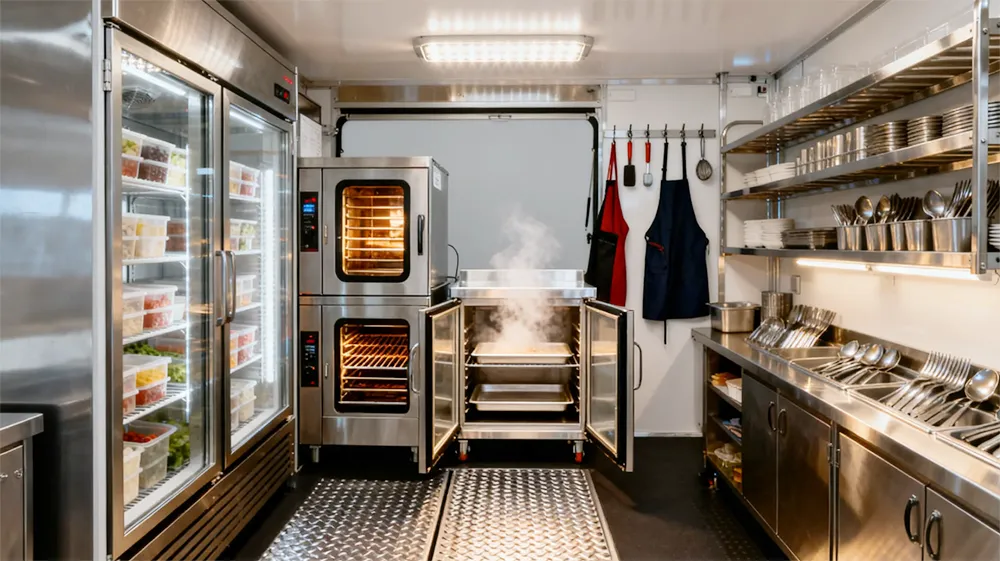
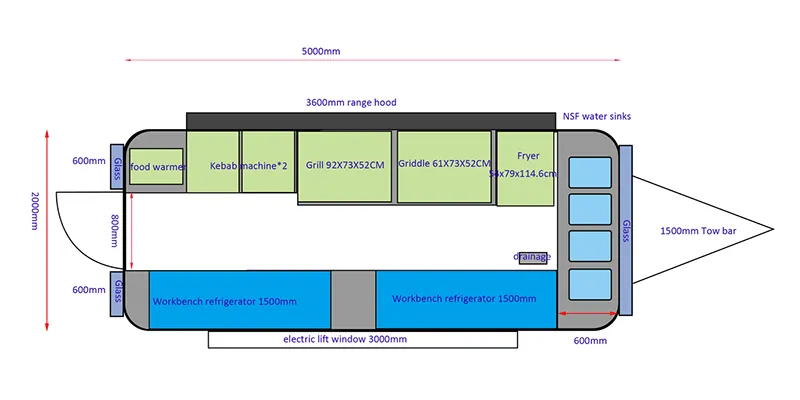
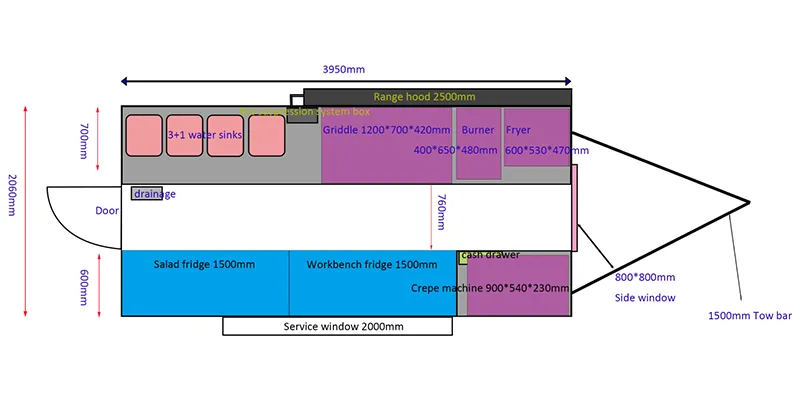
A well-designed layout is essential for running a successful food truck. Space is limited, so every inch needs to be planned with efficiency in mind.
Working with experienced food truck builders can make a big difference—they understand how to optimize workflow while ensuring your setup meets health and safety regulations.
Most food trucks are equipped with:
Cooking Equipment – Griddles, fryers, ovens, and more
Refrigeration Units – Fridges and freezers for safe food storage
Prep Surfaces – Durable countertops and cutting boards
Three-Compartment Sink – For washing, rinsing, and sanitizing
Handwashing Station – Required for hygiene compliance
POS System – For fast and easy transactions
Fire Suppression System – For safety and code compliance
Generator or Power Hookup – Reliable energy for daily operations
Use a mix of online and offline strategies to reach your audience and keep them coming back.
Social Media
Stay active on platforms like Instagram, Facebook, and X (Twitter). Share photos, videos, and behind-the-scenes content to engage your audience.
Location Updates
Post your daily locations and hours so customers always know where to find you.
Email Marketing
Build a subscriber list to share promotions, special offers, and updates.
Local Partnerships
Work with local businesses, breweries, and event organizers to expand your reach.
Loyalty Programs
Encourage repeat business by rewarding your regular customers.
Professional Photography
High-quality food photos make a huge difference—great visuals attract more attention and drive sales.
Location plays a huge role in the success of your food truck. The right spot can drive steady traffic and boost your sales, while the wrong one can slow your business down.
Do your research and focus on locations with consistent foot traffic. Also, make sure you understand local rules and permits for each spot.
Business Districts – Great for weekday lunch crowds
Parks & Recreational Areas – Ideal for weekends and families
Events & Festivals – High volume and strong sales potential
Breweries & Entertainment Venues – Built-in customer base
College Campuses – Steady demand and repeat customers
Late-Night Spots – Near bars and clubs for nighttime sales
Your grand opening is your opportunity to introduce your brand and create excitement from day one. A well-planned launch can generate buzz, attract new customers, and set the tone for your business.
Take the time to plan every detail so your opening day runs smoothly and leaves a lasting impression.
Choose a High-Visibility Location
Pick a spot with strong foot traffic to maximize exposure.
Build anticipation by sharing your launch date, sneak peeks, and countdown posts.
Attract customers with limited-time deals or exclusive menu items.
Get extra exposure through local coverage and influencer reach.
Be prepared to handle a busy crowd efficiently.
Stock up and get ready for higher-than-normal sales volume.
Starting a food truck takes hard work, dedication, and smart planning—but with the right partner, it can be a highly rewarding business.
At Custom Trailer Pro, we specialize in building custom food trailers designed around your exact needs and business goals.
Our experienced team will guide you through every step of the process—from concept and layout design to equipment selection and final build.
We make sure your trailer is not only functional, but fully equipped to help you succeed from day one.
We offer more value where it matters—without hidden costs.
✓ Free Design Support – Work with experienced industry professionals
✓ Built-to-Order Trailers – Customized to your exact requirements
✓ Premium Materials – Durable, high-quality construction
✓ Lifetime Support – We’re here for you, even after delivery